
What Is PRP?
PRP stands for platelet-rich plasma. A small sample of your own blood is taken and processed during the visit to concentrate platelets and growth factors.
Covered by Medicare & most major insurance — free consultation
(913) 956-9370
Your body has an incredible ability to heal and repair itself. Regenerative treatments are designed to support that natural process using biologic materials and cellular signals.
At Vitality, we offer several regenerative treatment options, including PRP, Wharton's Jelly stem cells, and exosomes.
From Your Own Body
Uses components from your own blood to support the body’s natural healing response.
ExploreFrom Donated Tissue
Uses biologic components from donated umbilical cord tissue to support the healing environment.
ExploreCellular Messaging
Uses naturally occurring cellular messengers involved in communication between cells.
Explore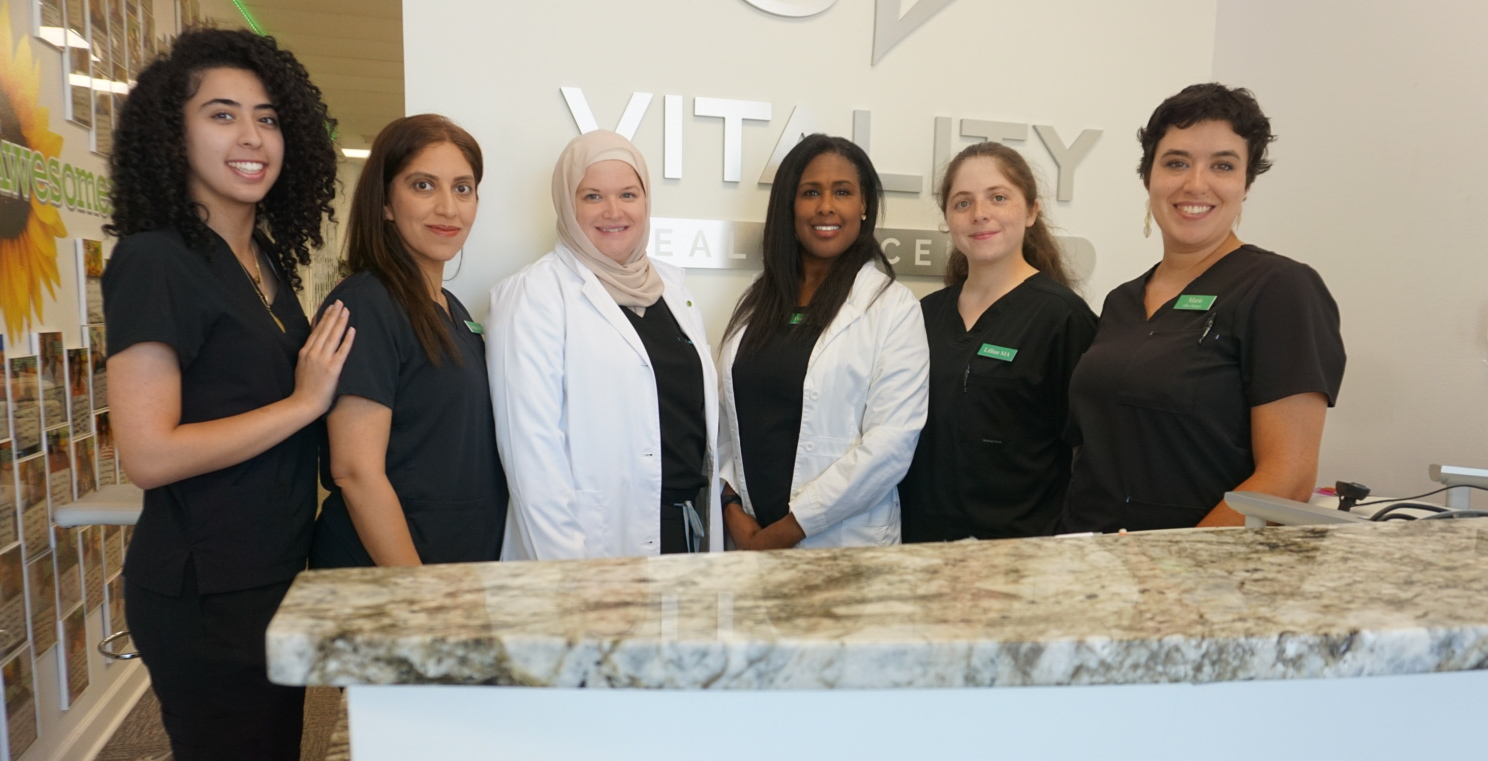
Your care plan
The right conversation starts before any treatment decision.
Your provider can help you understand the choices that may be appropriate for your needs, goals, and medical history.
A Patient's Story
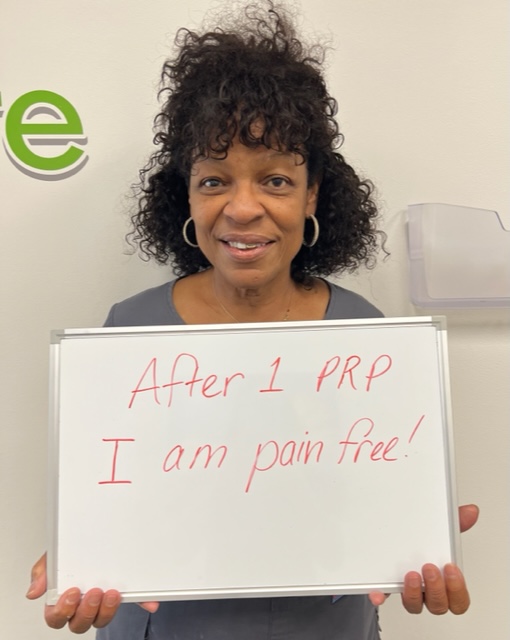
“After 1 PRP I am pain free!”
Mattie's published Vitality patient testimonial refers to PRP therapy. Individual results vary.
Use your body's own healing signals.
PRP uses components from your own blood rather than donated tissue. It may be discussed as part of an individualized plan when the provider believes it is appropriate.
PRP stands for platelet-rich plasma. A small sample of your own blood is taken and processed during the visit to concentrate platelets and growth factors.
The concentrated portion is placed in the area being treated. Platelets contain substances involved in the body’s natural healing response, so PRP uses components from your own body rather than donated tissue.
Depending on the individual, PRP may be considered for certain tendon, ligament, joint, or soft-tissue concerns. Your provider can explain whether it belongs in the conversation for you.
Your provider will review the treatment process, timing, activity guidance, and what follow-up may look like for your individual plan.
PRP is not appropriate for everyone. Certain medications and medical conditions can affect candidacy, so patients taking blood thinners should discuss this with their provider before treatment.
A Patient's Story
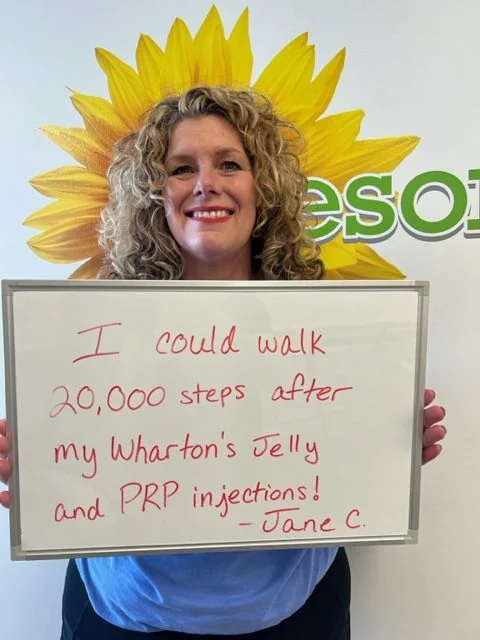
“I could walk 20,000 steps after my Wharton's Jelly and PRP injections!”
Jane's published testimony refers to her Wharton's Jelly and PRP injections. Individual results vary.
Support healing and help calm inflammation.
Wharton's Jelly is different from PRP because it does not come from your own blood. Your provider can help you understand whether it is an option worth discussing for your needs.
Wharton’s Jelly is a substance found in umbilical cord tissue. The tissue used for these products comes from donated umbilical cord tissue after birth.
It contains naturally occurring biologic components that may be discussed as a way to support the body’s healing environment and help regulate inflammation.
It is different from PRP because it does not come from your own blood. Your provider may discuss it based on your condition, goals, and the options that may be appropriate for you.
Your provider can explain the treatment plan, practical next steps, and activity guidance specific to your situation before you decide whether to move forward.
Suitability depends on an individual evaluation. A conversation gives you space to share what is hurting, what you have tried, and what you hope to get back to doing.
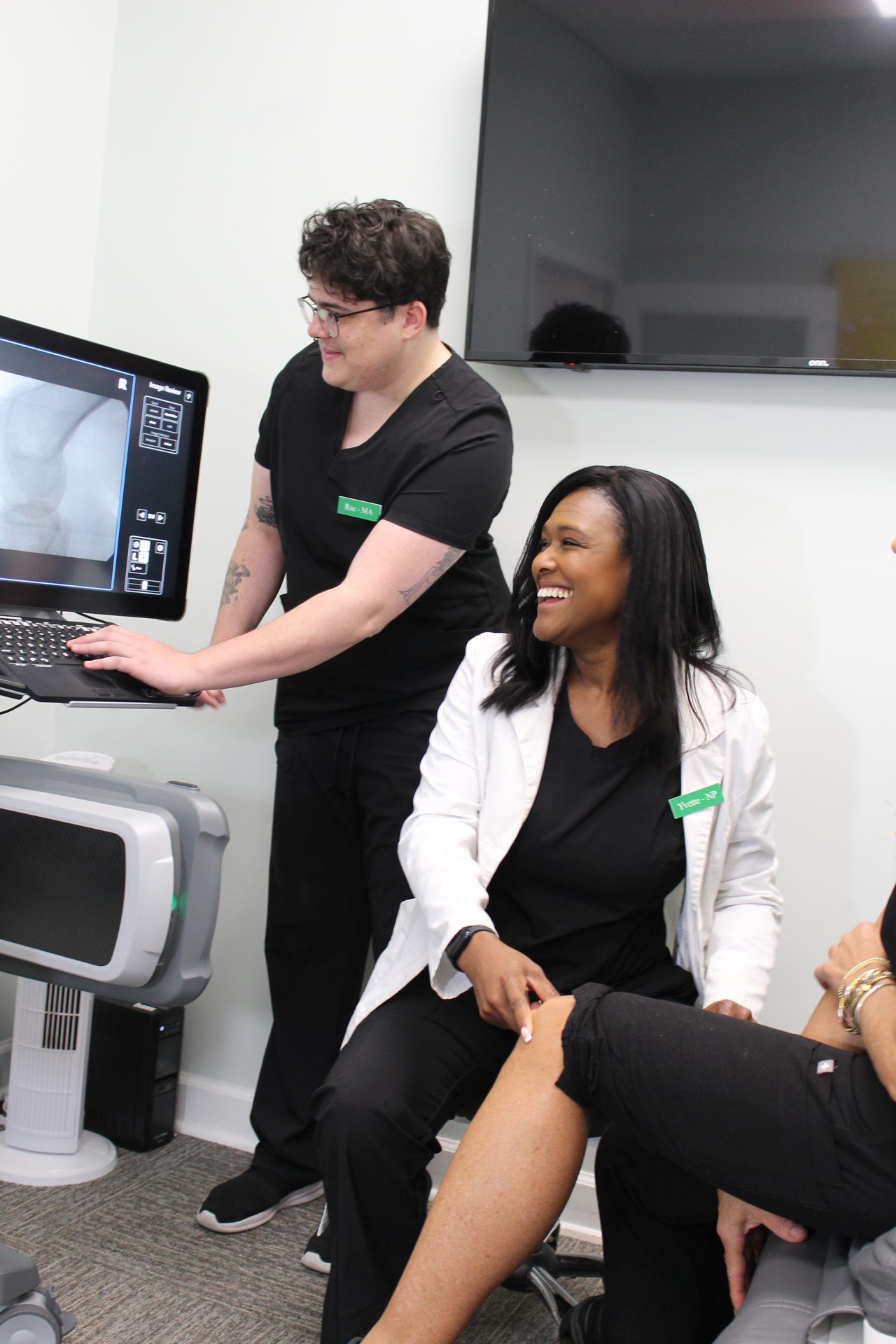
Every recommendation begins with an individual conversation about your symptoms, goals, and options.
Support the signals that help cells communicate.
The important idea is simple: exosomes are part of how cells communicate, and they may be discussed as a way to support the body's healing environment.
Exosomes are tiny extracellular vesicles released by cells. They can carry signaling molecules between cells and are part of the body’s cellular communication system.
Think of exosomes as part of the way cells send messages to one another. They are not the same thing as stem cells.
Cellular communication is involved in how the body responds to different situations. This is why exosome-based treatments may be discussed as a way to support the body’s healing environment.
Your provider can explain the treatment approach, timing, and what follow-up may look like before you make a decision.
Vitality may consider exosome-based treatments depending on your needs and treatment plan. An evaluation helps determine whether this option is appropriate to discuss.